
From Confusion to Confidence: Teaching About Public Transit
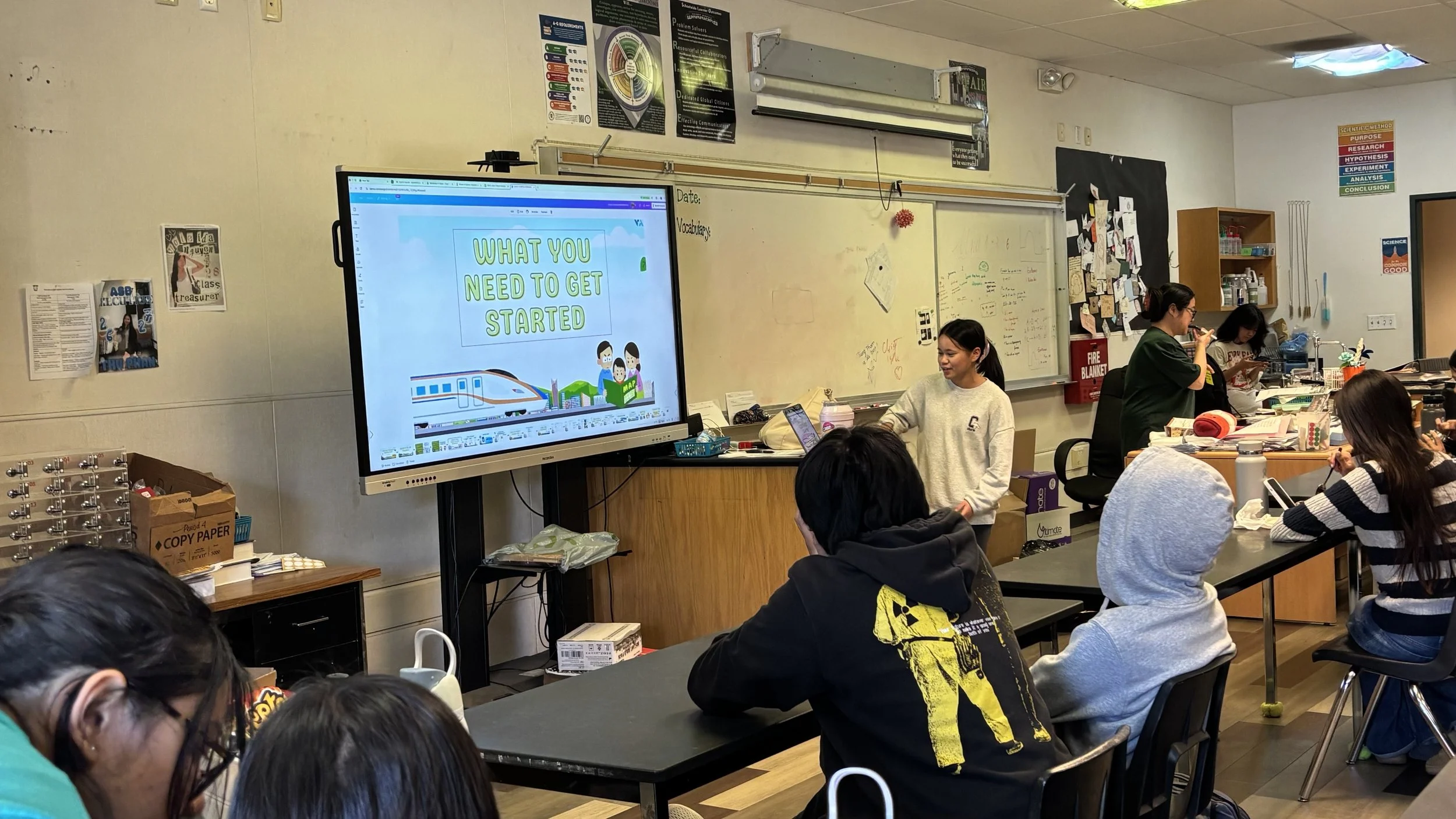
Transit-Oriented Communities Intern Julie Le delivering a transit workshop
Blog written by Julie Le
At first, public transit felt like a niche topic most students wouldn’t really care about. But after researching how transportation connects to climate, health, and accessibility, I realized how much it actually affects everyday life.
I also didn’t really know how to use public transit myself a few months ago. Once I started learning and using it, I realized how convenient it can be, and how important it is for connecting people to school, jobs, and their community. I wanted to make public transit feel less confusing and more approachable for students. After talking to my peers, I realized a lot of them also didn’t really know how to use VTA or where to start. At that moment, I knew the more information people have, the better decisions they can make, and I wanted to spread that feeling to my classmates.
Planning the Workshop (A Win Is a Win)
I had to speak with my chemistry teacher, who is also the AP Environmental Science teacher, about my workshop. Thankfully, he was very supportive and offered his classroom. After talking more with him, he even ended up giving extra credit to students who attended. I was kind of scared because he’s not someone who gives extra credit easily.
Every day leading up to the workshop, you would hear me talking about it. I was nervous because this was the first time I have ever hosted a workshop or event. As someone who gets nervous easily, I knew I had to speak with confidence.
I put myself in the students’ shoes and thought, “what would actually make people show up?” and honestly, donuts helped.
I bought 5 boxes of assorted and glazed donuts, because I knew incentives matter. On top of that, I received SVYCA and VTA materials like shirts, plant kits, and phone holders.
A problem I faced was trying not to overcomplicate everything. It was easy to either do too much or not enough, so I had to find the balance between giving enough information without overwhelming people. As the saying goes, “if you fail to prepare, you are preparing to fail,” so I made sure to put in the work—researching, creating a flyer, and building an RSVP form.
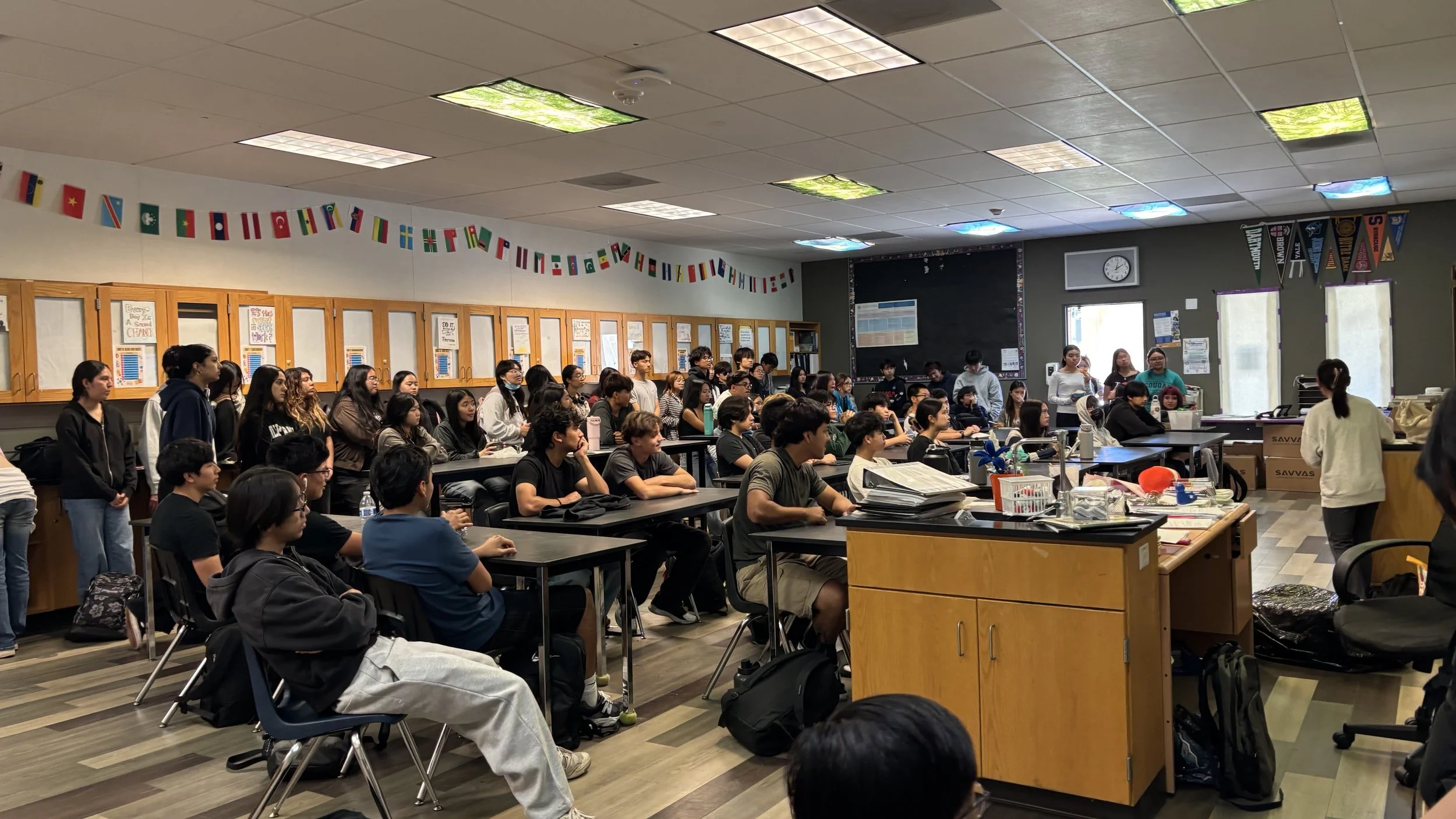
An excellent turnout
The Actual Event
The morning of my workshop was not ideal. I had a fasted blood test earlier that day, and I felt really lightheaded and tired afterward. Even then, I still pushed through, bought all the donuts, and headed to school to set everything up.
When I arrived, I found out my AP Environmental Science teacher had an emergency and wouldn’t be there. That definitely added stress, but we communicated shortly after and another teacher stepped in to help supervise, so things still worked out.
Then lunchtime came, and more students showed up than I expected. On my RSVP list I saw 48 people, but what I saw in the room was definitely not 48 people.
The projector also started acting up, so we had to quickly move classrooms before beginning. After everything settled, the workshop officially started.
I talked about what public transit is, why people use it, and its benefits, including health, efficiency, and environmental impact. Then came the walkthrough, where students used their phones to actually plan routes in real time. In that moment, public transit felt like more than just transportation, it became a tool for access, opportunity, and independence.
In a normal workshop, students being on their phones might look like they’re not paying attention. But in this case, seeing everyone actively using Maps and figuring out routes felt like the exact point of the workshop. Watching students go from hesitation to confidently planning routes reminded me that clarity can turn confusion into confidence. It was a bit ironic, but also really encouraging.
Afterwards, we handed out materials and donuts, and people lined up to grab them. I saw a lot of people happy and smiling while grabbing the donuts. When I checked the attendance sheet afterward, I realized the actual turnout was around 86 students.
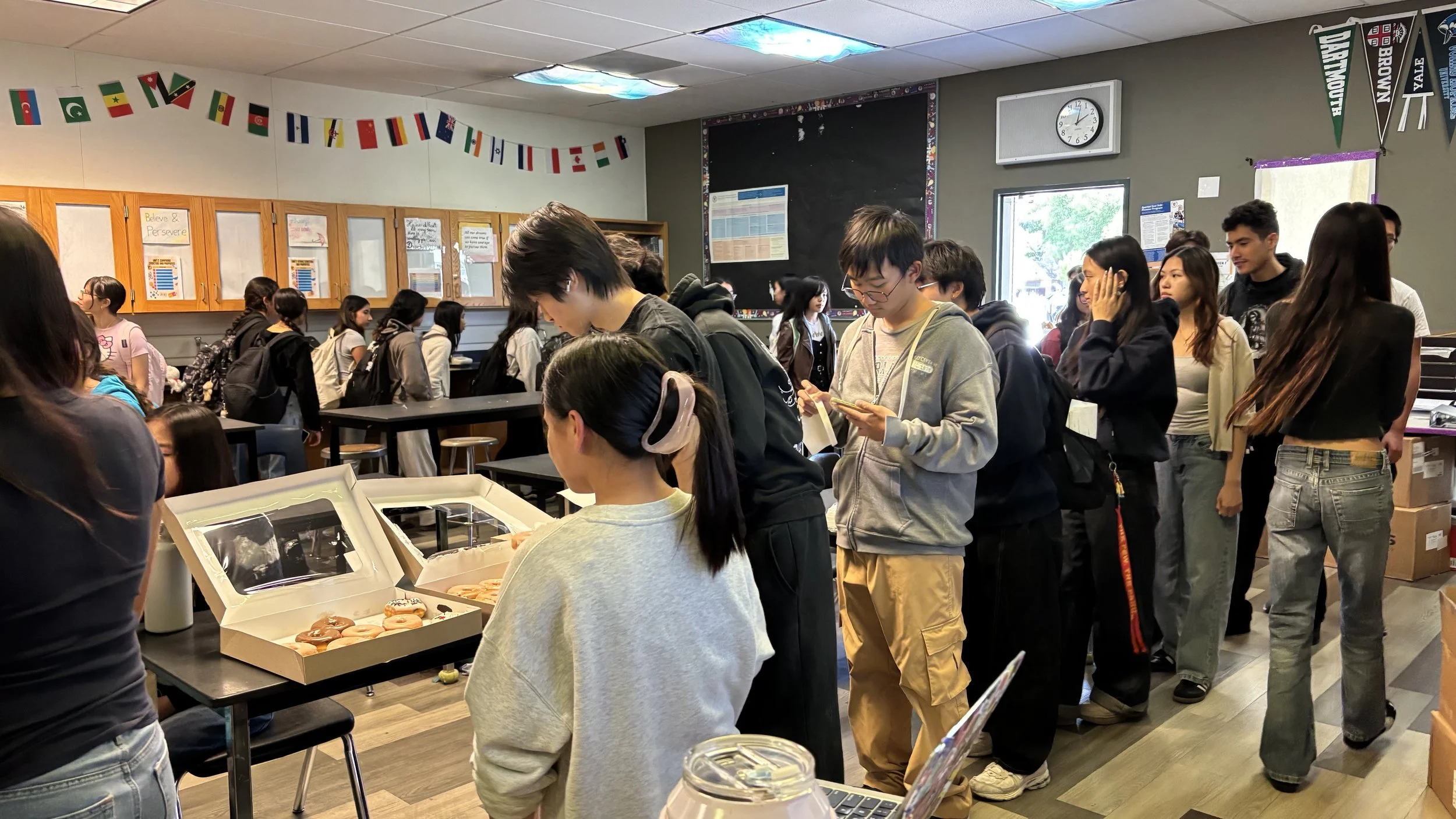
Incentives are important ;)
Lessons Learned
This workshop taught me that making something useful is more important than making it complicated.
If people can see themselves actually using what they’re learning, they’re more likely to engage with it. Watching students actively plan real routes showed me that the most effective learning happens when it feels practical.
Even when unexpected things happen—like last-minute room changes or schedule issues—I learned that adaptability matters more than perfection, and that execution is what ultimately brings a plan to life.
Most importantly, I learned that public transit isn’t something people are “good or bad at,” but something that becomes approachable once it is made simple, accessible, and easy to understand. What once felt confusing to me is now something I can confidently break down for others, and I hope others can experience that same shift.
This workshop had a lot of stops along the way, but we made it through.
Final reflections from the rest of the Transit-oriented communities interns
Juan Angeles (Overfelt High School): “My time at SVYCA was absolutely amazing because I was surrounded by great people, and everyone was so supportive. Through the duration of this internship, I had many personal problems. However, during the weekly meetings, I was surrounded by positive people, and it did take my mind off things. If you are looking for an organization that is supportive and overall great, SVYCA is an excellent choice. I have absolutely no regrets participating in this internship.”
Adelynn Le (Independence High School): “This internship was an amazing experience! I had lots of fun researching climate change, public transit, and chemistry. It was interesting to find unique workshop topics that engaged students, but it successfully taught many students the importance of transit. I hope to stay involved with SVYCA in the future!”
Kim Truong (Silver Creek High School): “The internship helped me strengthen skills in time management by planning workshops and meeting deadlines, while still focusing on school. I was able to network with different organizations and collaborate efficiently. Through planning and promoting events, I gained hands-on experience in organization, communication, and outreach. These valuable skills helped me grow personally and professionally.”